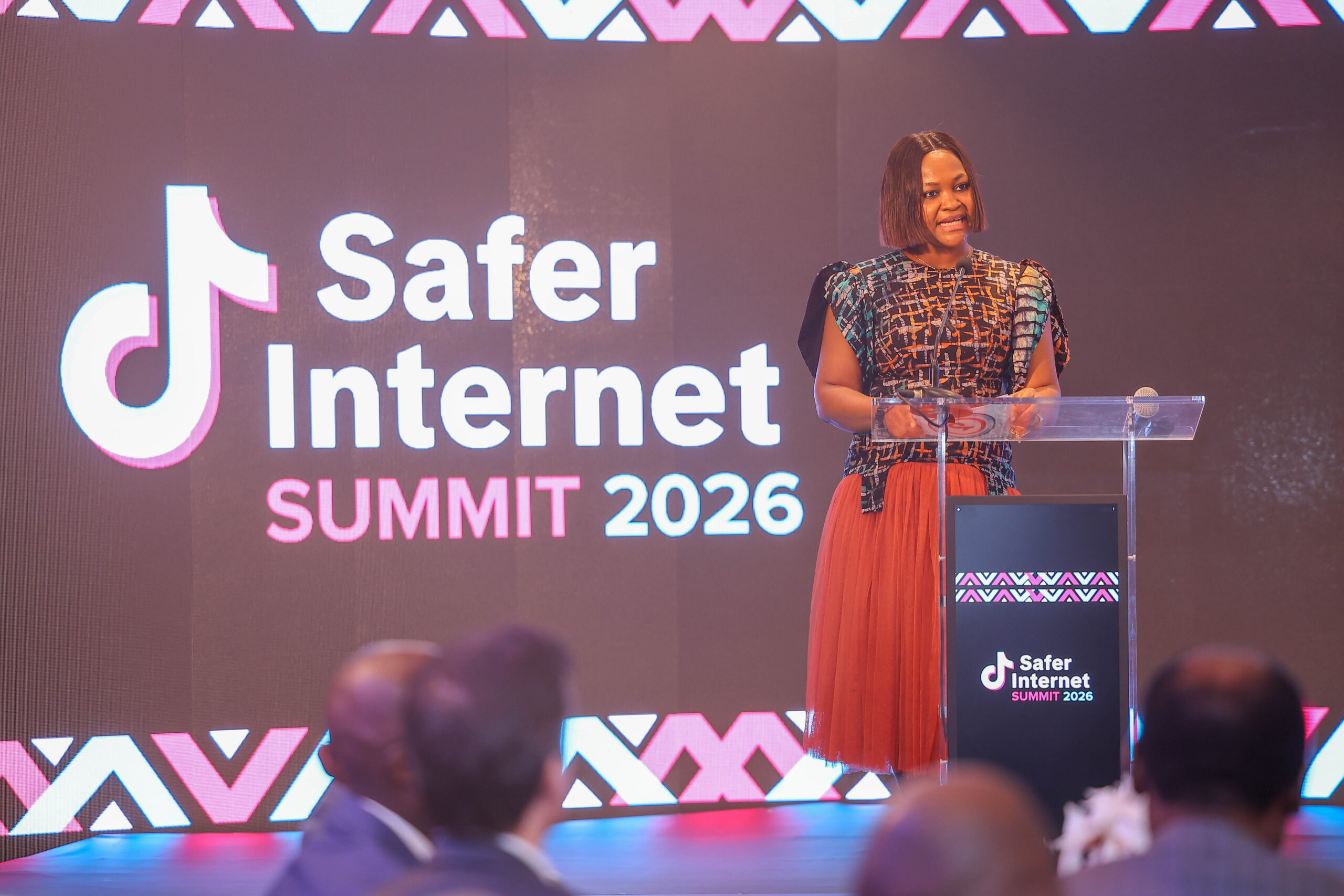



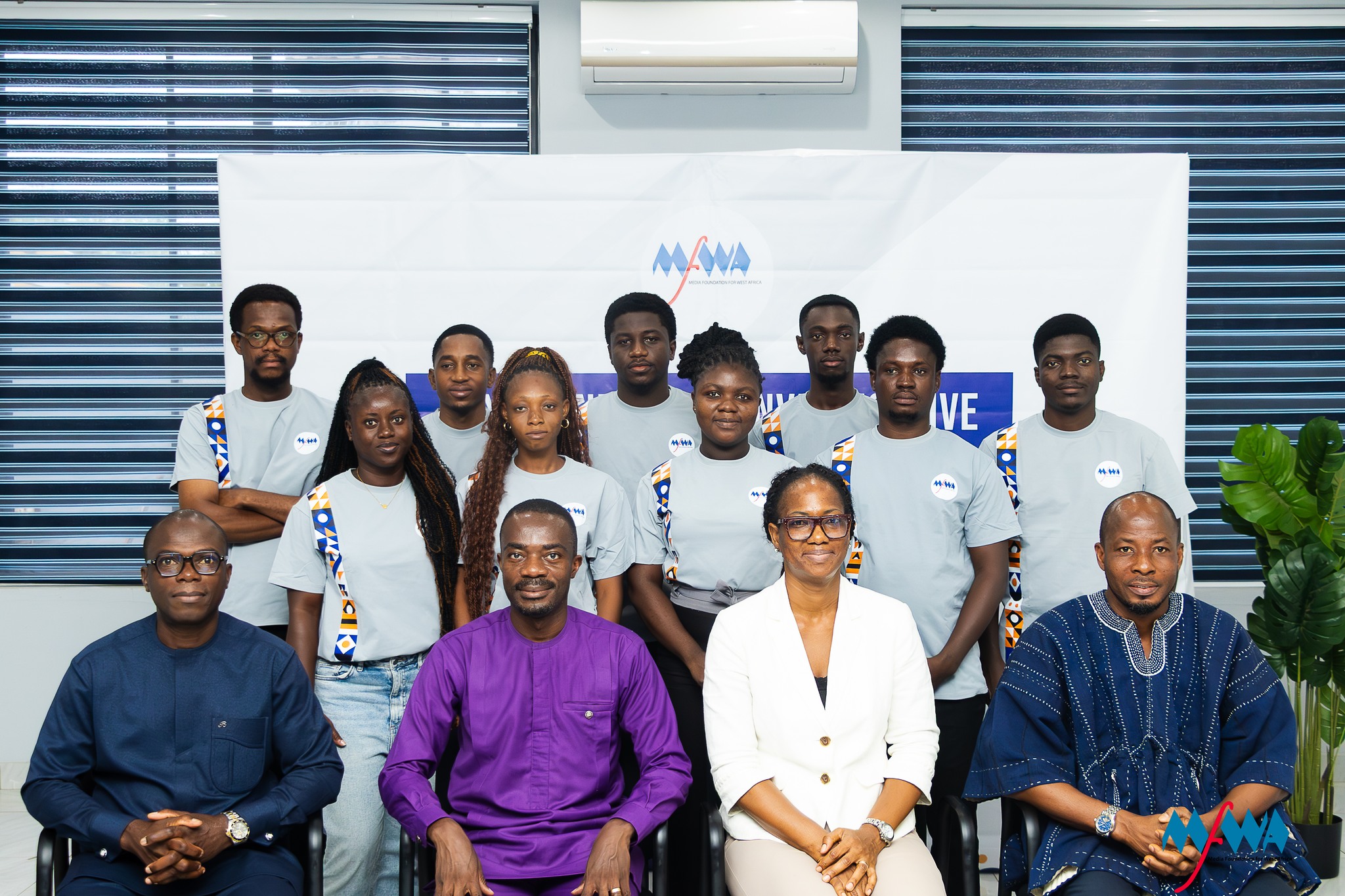
The Media Foundation for West Africa (MFWA) has officially launched the 8th cohort of its Next Generation Investigative Journalism (NGIJ) fellowship program, which aims to strengthen the skills of Ghanaian journalists in investigative journalism, data journalism, and accountability reporting. Fellows will conduct investigations into corruption, participate in practical training, and produce stories that hold authorities accountable while accurately reflecting the daily realities of citizens.
This initiative is part of the project “Combating Corruption through Accountable Journalism and Improving Freedom of Expression in Ghana,” which is part of the PAIReD (Participation, Accountability, Integrity for a Resilient Democracy) program, funded by the German Federal Ministry for Economic Cooperation and Development (BMZ), co-financed by the European Union and the Swiss State Secretariat for Economic Affairs (SECO), and implemented by GIZ in partnership with the Ghanaian Ministry of Finance.
Background: Call for Applications for the 7th Edition
The NGIJ initiative has already seen several successful editions. On September 18, 2025, the MFWA, with the support of DW Akademie, launched the call for applications for the 7th edition of the program, inviting mid-career and experienced Ghanaian journalists to apply. This three-month hybrid program (October-December 2025) combined in-person and virtual sessions, offering participants intensive mentorship, editorial support, and advanced training in investigative journalism, data journalism, fact-checking, and digital and physical security.
Selected journalists were required to produce at least two articles and fact-checking reports per month, receive a monthly stipend, and earn a certificate of merit upon completion of the program. Applications were open to print, broadcast, and digital media professionals, with particular emphasis placed on encouraging female applicants.
This eighth cohort builds upon and expands the program’s ambitions, training a new generation of journalists capable of producing rigorous, transparent, and responsible journalism, thereby contributing to strengthening democracy and accountability in Ghana.