


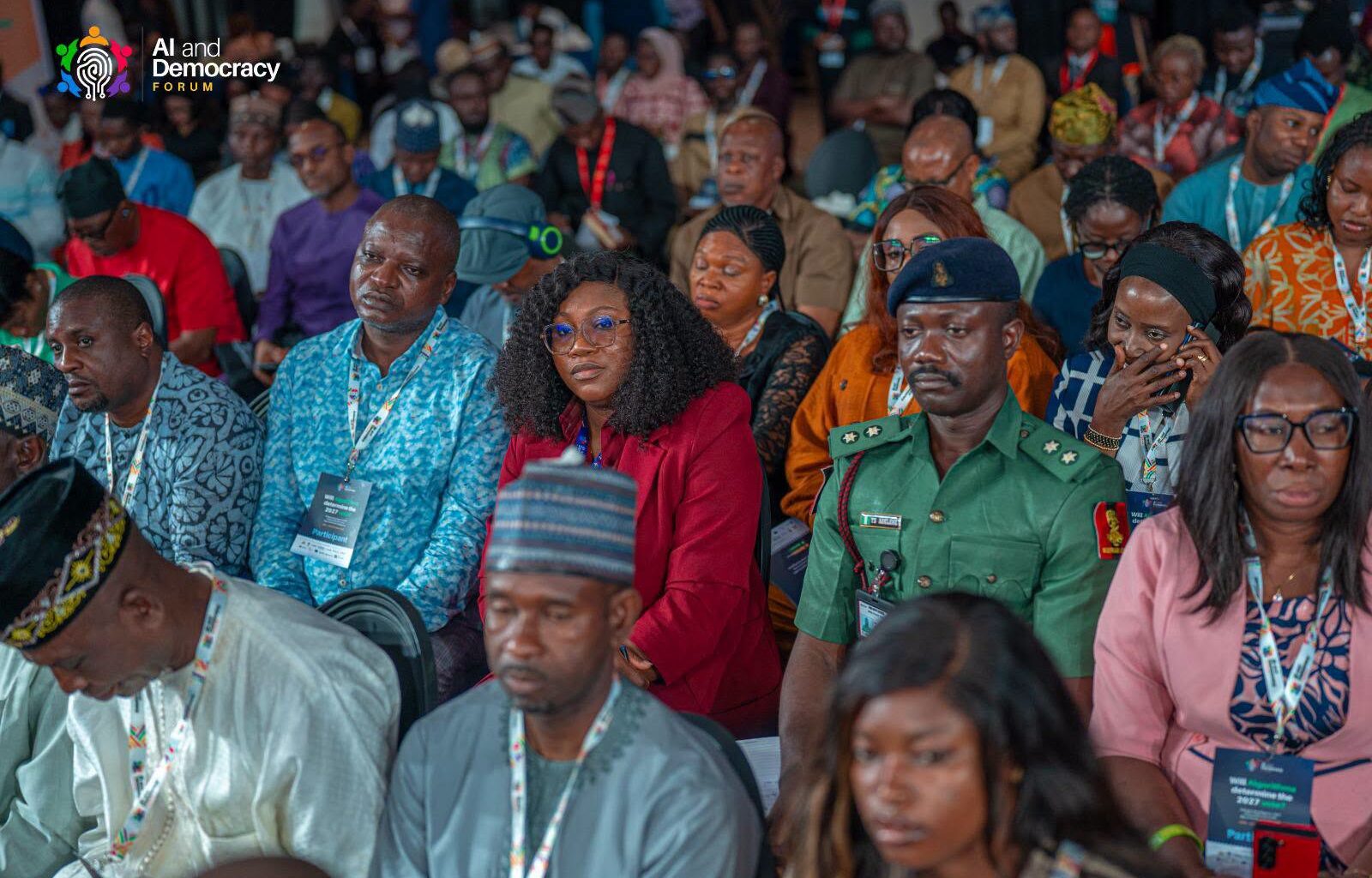
As Nigeria approaches its 2027 general elections, the role of artificial intelligence in safeguarding electoral integrity is coming under scrutiny. Held on 14–15 October 2026 in Abuja, the AI and Democracy Forum 2026 brings together electoral institutions, technology companies, media organizations and civil society groups to address a key challenge: harnessing AI without undermining public trust in the democratic process.
Co-organized by Nigeria’s Independent National Electoral Commission (INEC) and Yiaga Africa, the forum explores potential applications of artificial intelligence in election administration, cybersecurity, voter information and content verification. During the opening session, Samson Itodo, Executive Director of Yiaga Africa, emphasized the importance of accurate data, transparent methodologies and auditable AI systems in safeguarding electoral integrity.
INEC Chairman Professor Joash Amupitan stressed the need to keep human decision-making at the centre of the electoral process. According to him, algorithms must not determine election results; the choice of leaders belongs to citizens. AI could help optimize election logistics, improve the quality of biometric data, facilitate multilingual communication with voters and strengthen the detection of cyber threats. However, these applications require safeguards to ensure transparency, data protection and institutional accountability.
Deepfakes and Disinformation: The Challenge of Trust
One of the main issues addressed at the forum is the spread of AI-generated or manipulated content. Deepfakes, identity impersonation, fabricated statements attributed to candidates and information manipulation could complicate the work of journalists and influence how voters understand the election campaign.
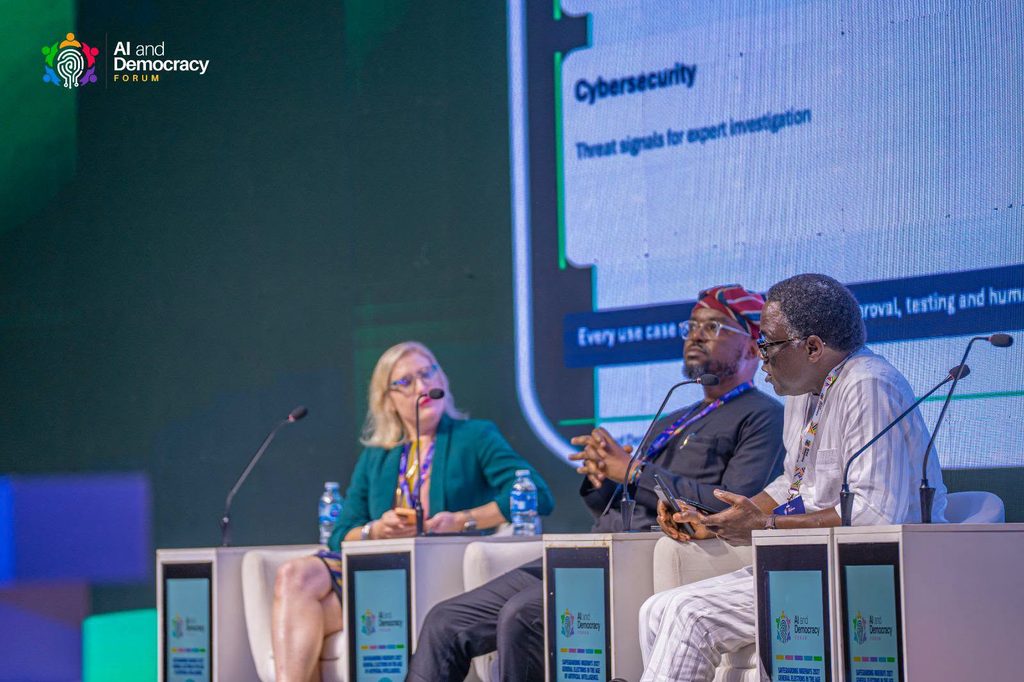
A panel on synthetic content and information manipulation brought together specialists in fact-checking, digital investigations and media literacy. Discussions focused on verification tools, platform accountability and the need for coordinated responses from institutions, journalists and civil society organizations.
In this context, the challenge is not simply to detect misleading content after it has circulated. It is also to strengthen citizens’ ability to identify sources, cross-check information and avoid sharing questionable content without verification.
Media Organizations and the Transformation of Electoral Information
For media professionals, the rise of AI-generated content underscores the need to strengthen verification practices before publication or broadcast. A video, audio recording or screenshot does not, on its own, constitute proof that a statement is authentic. The forum therefore highlighted the role of fact-checking, digital investigation tools and media and information literacy. It also emphasized the importance of transparency in the use of technology and accountability among companies that develop or distribute AI tools.
Masterclasses organized as part of the AI in Elections Academy complemented the discussions. Topics included AI adoption in election administration, civil society oversight of algorithms, journalistic responses to deepfakes, and the use of AI for electoral security and early threat detection.
From Discussion to Safeguarding Mechanisms
The INEC Chairman announced plans to establish a dedicated artificial intelligence unit within the commission’s Information and Communication Technology department. According to his remarks, the unit is expected to help monitor digital threats and information manipulation targeting the electoral process.
He also called on political parties, civil society organizations, media outlets, security agencies and technology stakeholders to strengthen cooperation. Proposals discussed included a code of conduct for the ethical use of AI during election campaigns and a coalition to protect the integrity of electoral information. These proposals will need to translate into practical mechanisms, with clearly defined responsibilities and procedures for detecting, documenting and addressing incidents.

Innovation Cannot Replace Democratic Trust
Through this forum, Nigeria is engaging with a question that extends beyond its borders: how can artificial intelligence be integrated into electoral processes while protecting citizens’ rights and maintaining the credibility of democratic institutions?
For media professionals, communication practitioners and digital stakeholders across Africa, the discussions carry important implications. AI can accelerate certain tasks and strengthen monitoring and verification capabilities, but its effectiveness depends on data quality, transparent methodologies and human oversight.
As the 2027 elections approach, safeguarding electoral integrity will therefore require more than technological tools. It will also depend on the ability of institutions, media organizations, digital platforms and citizens to work together to protect access to reliable information and enable informed electoral choices.