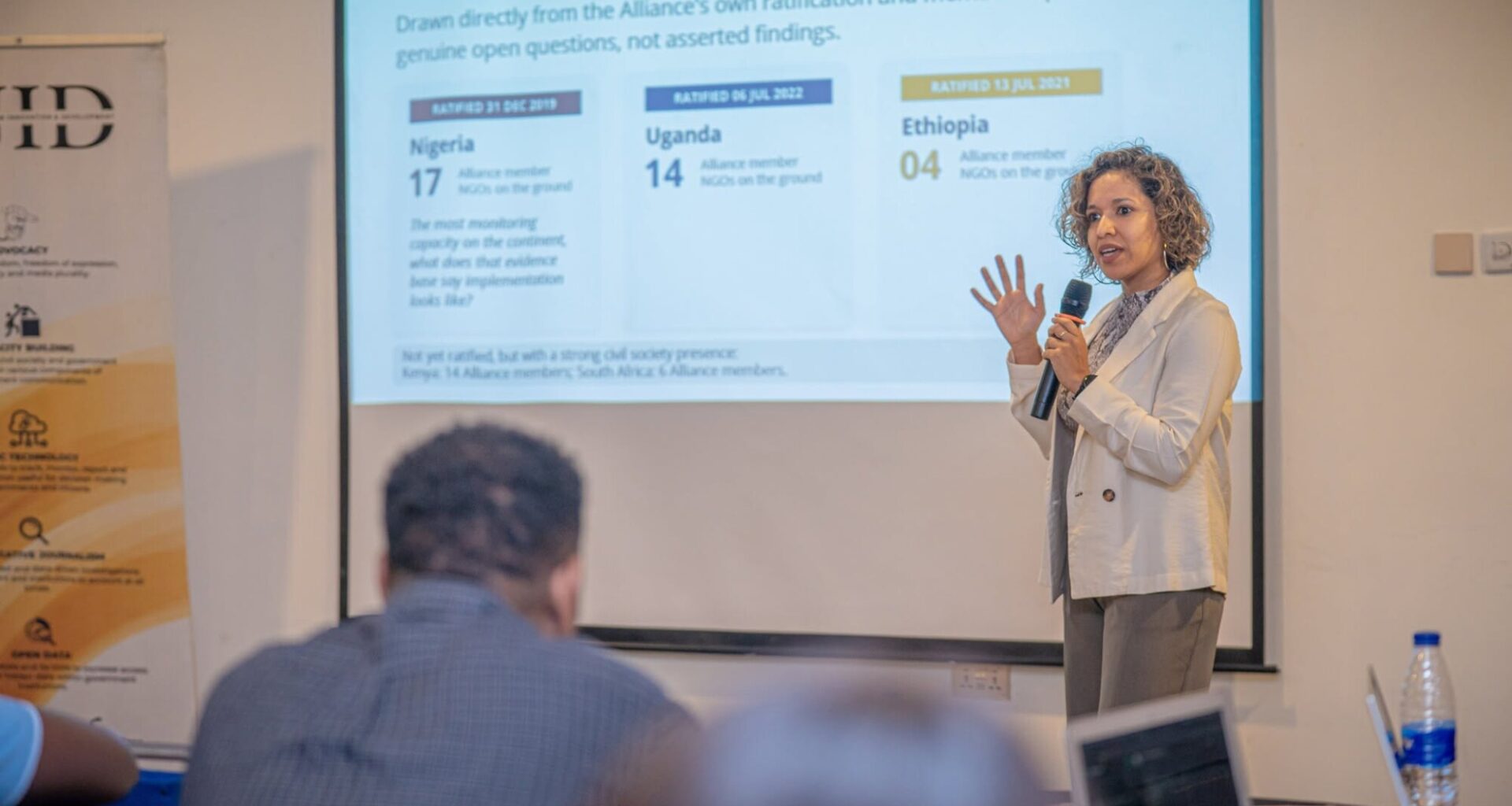
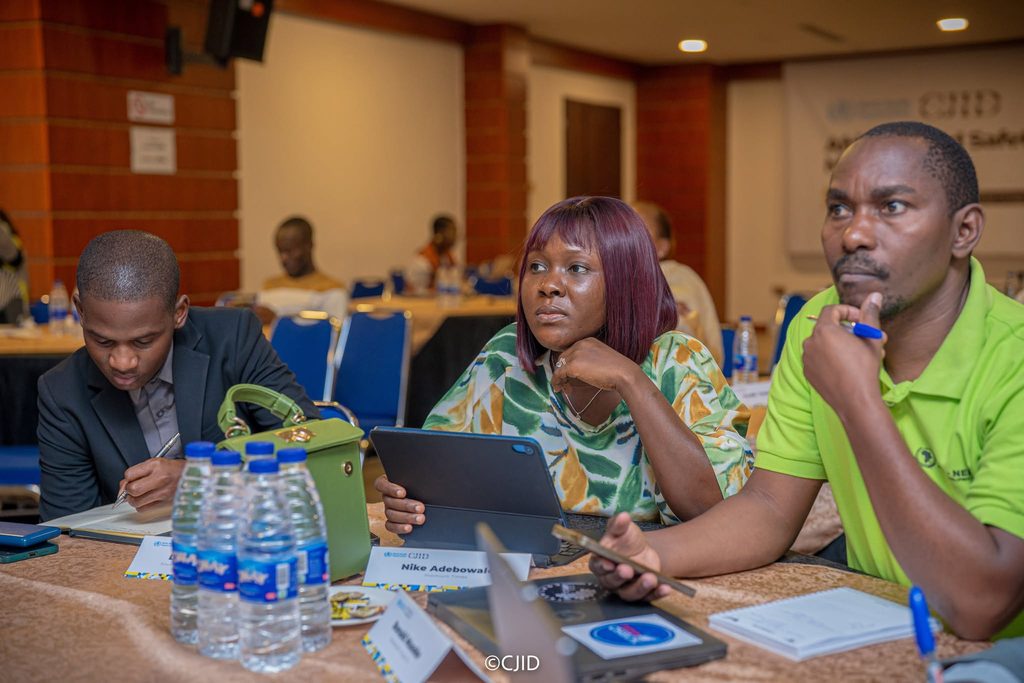
How do African media outlets report road crashes? In Abuja, around 20 journalists, editors and content creators from several African countries spent three days exploring this question as part of the African Road Safety Media Forum, organized by the World Health Organization (WHO) and the Centre for Journalism Innovation and Development (CJID).
From 22 to 24 September 2026, participants examined editorial practices around an issue that features regularly in daily news coverage, but whose reporting often remains focused on the death toll and the presumed responsibility of the driver. The forum aims to contribute to the development of the first African guidelines specifically dedicated to media coverage of road safety. The guidelines are expected to be finalized by mid-2027.
Going Beyond the Accident Toll
When a crash occurs, the first information reported is generally the location, the number of victims and the immediate circumstances known at the time. The Abuja forum encouraged newsrooms to broaden this approach. One question in particular guided the discussions: after reading a story about a road crash, what do we actually know about its causes, and what remains to be investigated?
Discussions therefore examined infrastructure, regulations, enforcement, speed, traffic conditions and other factors that may contribute to crashes. This approach draws on the Safe System, as presented by WHO. Its principle is that human errors are inevitable and that transport systems should be designed to limit their consequences and prevent them from routinely resulting in deaths or serious injuries.
When Editorial Choices Become a Safety Issue
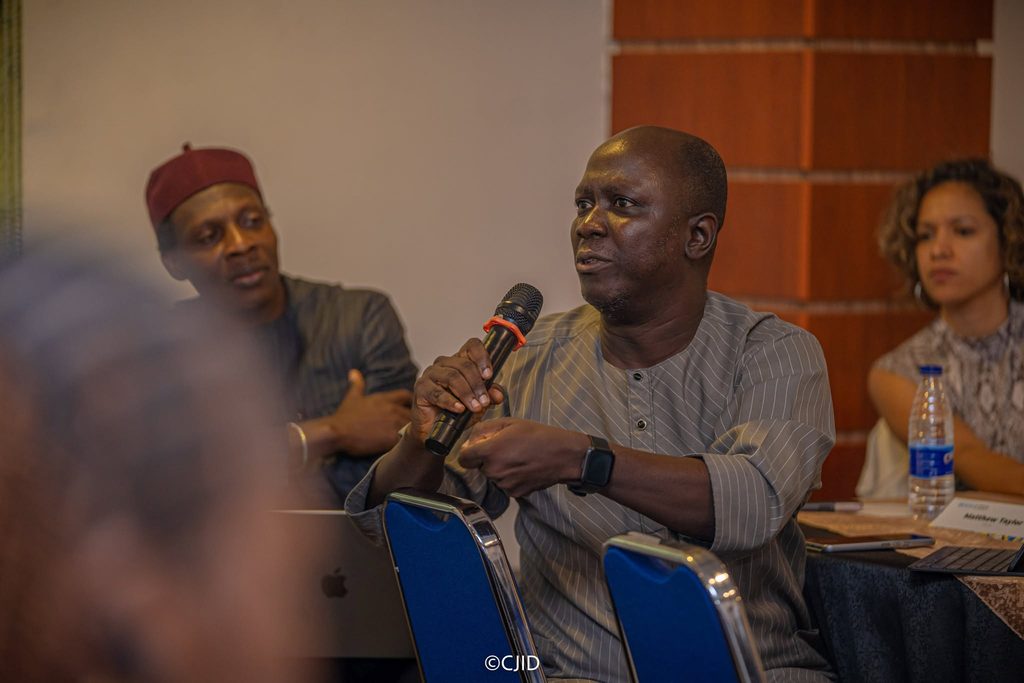
For the organizers, the choice of angles, the prioritization of information and editorial decisions influence how the public understands road crashes. Participants therefore worked with reports previously published by African media outlets, not to rank the stories, but to identify what information was included, what was missing and which questions journalists could investigate further.
The discussions also looked at how stories are pitched and commissioned within newsrooms, which in turn influences the attention given to road safety beyond breaking news.
Journalists from Several Countries, One Shared Framework
The forum brought together 20 participants from countries including Ethiopia, Kenya, Nigeria, South Africa and Uganda, alongside road safety specialists. Media professionals from organizations such as the BBC, AFP, Deutsche Welle, Xinhua, AllAfrica, Premium Times, Nation Media and the South African Broadcasting Corporation took part in the discussions, alongside independent content creators.
Another objective was to bring traditional media practices closer to those of digital creators, particularly around storytelling, audience engagement and building trust in digital spaces.
Informing Without Causing Further Trauma
Ethics also featured prominently in discussions about road crash reporting. Participants explored trauma-informed reporting, with the aim of improving the way victims and survivors are covered without contributing to further trauma.
This approach also seeks to preserve journalism’s ability to question the responsibilities of authorities and examine the structural conditions that contribute to crashes, without drawing premature conclusions or placing blame on victims.
From Breaking News to a Public Health Issue
Behind the discussion about journalistic practices is a figure highlighted by WHO: nearly 250,000 people die every year on the roads in the WHO African Region, equivalent to roughly one death every two minutes according to figures cited during the forum.
Road safety is therefore being addressed not only as a transport issue, but also as a matter of public health, urban mobility and sustainable development. Discussions also explored links with climate issues. Better-adapted infrastructure, safe speeds and quality public transport can help reduce crashes, emissions and air pollution while encouraging walking, cycling and public transportation.
Towards Guidelines for African Newsrooms
The final day focused on turning the discussions into concrete journalistic practices, including through an examination of the African Road Safety Charter. The guidelines being developed are expected to help newsrooms determine which stories to cover, which angles to prioritize, what information to seek and how to present road crashes in a more documented and contextualized way.
For CJID and WHO, the ambition is to change the way road crashes are covered: not only documenting the losses after a collision, but also producing journalism that helps audiences understand the causes, examine institutional responsibilities and identify available solutions.