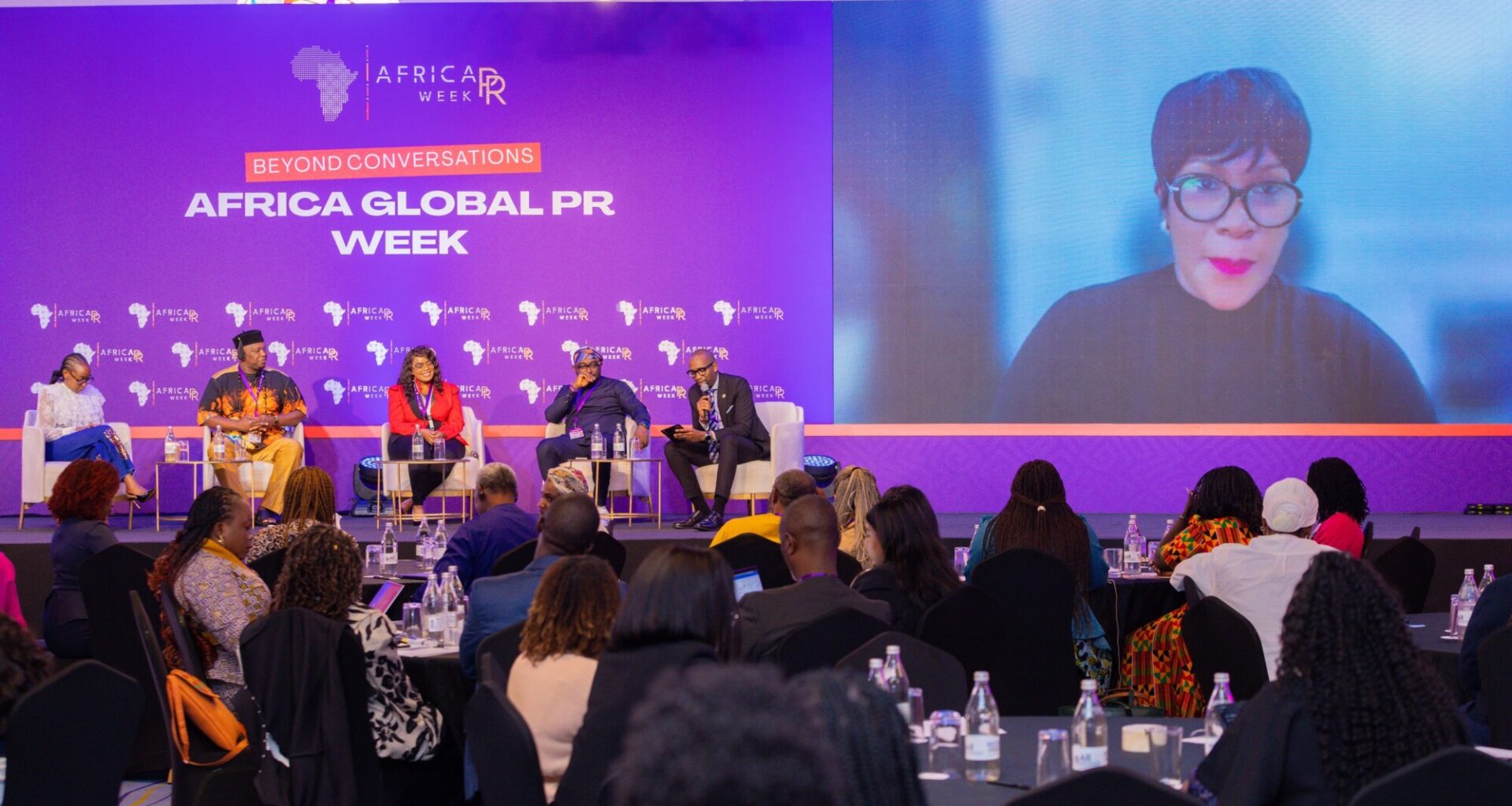
Held in Nairobi from August 26 to 28, 2026, Africa Global PR Week brought together African public relations and communications professionals united by a shared ambition: to help shape the continent’s narrative and strengthen its voice on the global stage. Centered on the theme « Redefining Africa: Africa as a Brand, » discussions covered identity, artificial intelligence, African brands, innovation, data, and the next generation of communications professionals.
Africa Global PR Week serves as a platform dedicated to connecting African public relations professionals and fostering dialogue on the evolution of the industry. Its stated goal is to help shape the African narrative and amplify the continent’s voice internationally, encapsulated by the slogan: « Bringing Africa’s PR professionals together. Redefining PR, Redefining Africa. »
For the 2026 edition in Nairobi, the platform framed this ambition around the theme « Redefining Africa: Africa as a Brand. » Over 70 speakers were lined up for three days of conferences, panel discussions, and professional networking. Posts shared on Africa Global PR Week’s social media channels reveal several emerging trends. Above all, they demonstrate that the conversation regarding the future of public relations in Africa has moved beyond mere image management.
Africa No Longer Wants to Be Merely the Subject of a Story
The choice of the theme « Africa as a Brand » sets the tone. Discussing Africa as a brand goes beyond simply trying to improve its image. Discussions primarily addressed a fundamental question: who is crafting the narratives about the continent, based on what frames of reference, and within which media environments?
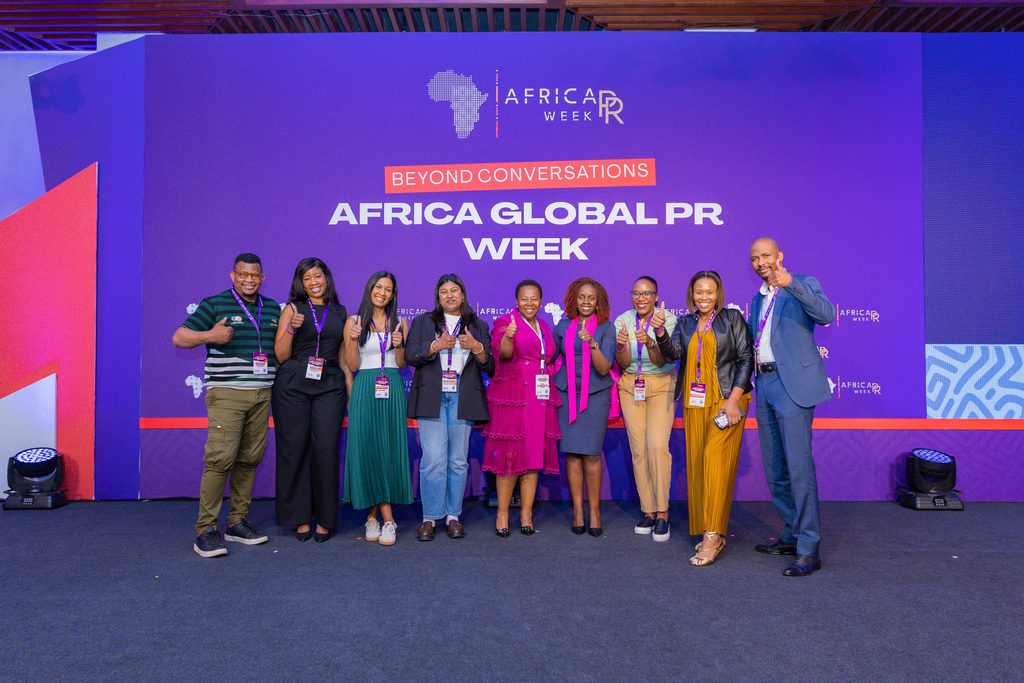
In her address, Sellah Bogonko called for moving beyond the outdated representations that have long shaped the continent’s image. She highlighted three key requirements: defining a vision, remaining true to one’s values, and collectively building an African narrative. This theme runs through several segments of the event. The goal is therefore no longer merely to respond to narratives generated from the outside; it is also about strengthening the capacity of African professionals to produce, disseminate, and champion their own stories.
With AI, the battleground shifts to data and narratives
One of the most significant changes naturally concerns artificial intelligence. However, Africa Global PR Week did not limit itself to presenting AI merely as a new production tool for communications professionals.
Phyllis Migwi’s keynote address, « Innovation and Technology Redefining Africa, » shifted the discussion toward a less visible issue: the influence of AI systems on the information audiences access, use, and consider when forming opinions. If artificial intelligence systems generate their responses based on existing data, content, and sources, then the quantity and quality of information available about Africa become crucial factors.
An Africa that is poorly documented risks being less effectively represented within the systems that now drive the flow of information. Discussions therefore emphasized the need to develop credible, contextualized content rooted in local realities. The challenge posed by AI thus becomes a matter of digital presence and the ability to ensure African voices are heard.
« Start by telling the stories around you »
This line of thought continued during the panel dedicated to innovation, AI, and digital transformation. One message stood out: while technologies can multiply possibilities, they cannot replace an understanding of context, human judgment, or professional responsibility.
From this perspective, telling Africa’s story does not necessarily begin with major international campaigns. It can start with the stories that already exist within communities, businesses, cities, cultural industries, and individual journeys. The challenge for African communications professionals is therefore to document their environment with sufficient quality to ensure these stories become available material within the global digital ecosystem. Going global without losing one’s identity.
The issue of African brands also featured prominently
During a panel discussion on African brands expanding into international markets, Thabisile Phumo, Saint-Francis Tohlang, Mabel Adeteye, and Mwihaki Wachira addressed, among other topics, the conditions for expanding abroad while retaining one’s identity. The challenge is not about choosing between adaptation and authenticity. A brand must understand the markets it seeks to conquer—along with their expectations and cultural codes, while preserving the elements that make it unique.
Quality, consistency, and reliability also remain crucial for winning the trust of new audiences. Internationalization, therefore, does not necessarily mean erasing African identity. Instead, it raises the question of how that identity can become a strength in various markets.
Communications enters the era of real-time intelligence
The sector’s evolution is also driven by the tools professionals use. Africa Global PR Week used the event to showcase Prevail, a media and brand intelligence platform designed to track conversations about organizations across media outlets and social networks.
From media monitoring, sentiment analysis, and share of voice to journalistic intelligence and crisis alerts, the features presented reflect the profession’s evolution. Communications professionals can no longer simply wait for an article to be published or a conversation to gain momentum before reacting. They must be able to detect, understand, and interpret the signals emerging around a brand. This transformation strengthens the link between communications, data, and decision-making.
The next generation is already stepping up
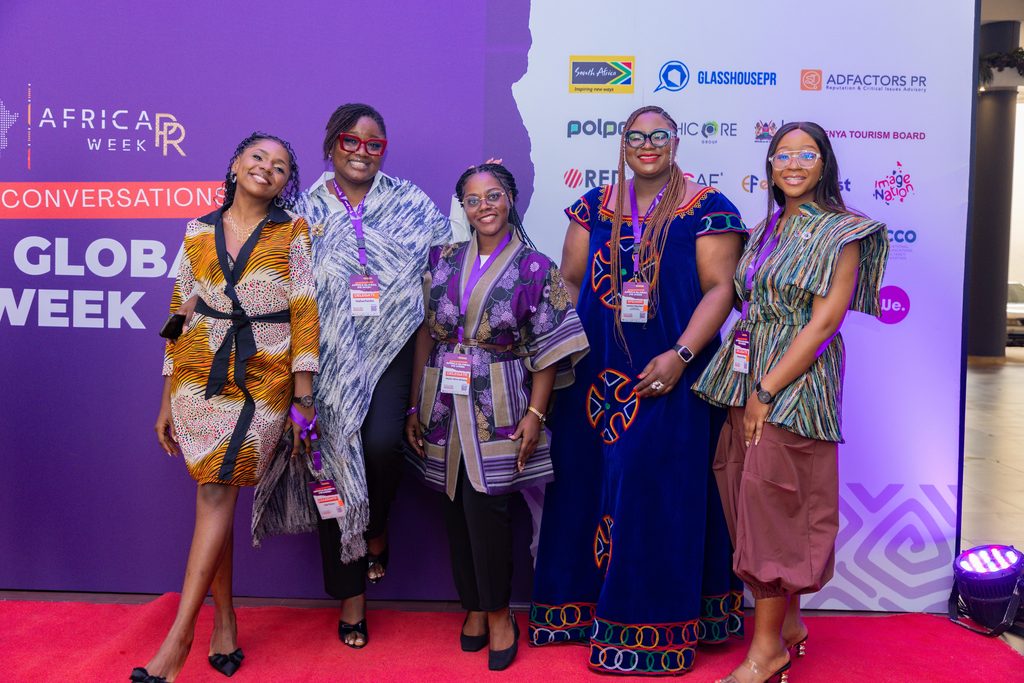
Africa Global PR Week also highlighted the sector’s up-and-coming talent. On August 25, the Africa University PR Challenge 2026 brought students together in Nairobi to tackle real-world communications challenges. Angela Kiambati, ED Omondi, and Kutlwano Matjeding were recognized for their achievements during the initiative.
Beyond the competition itself, this event serves as a reminder that the transformation of the African communications sector is also taking place within universities and among young professionals. These new communicators are entering an environment vastly different from that of previous generations—one defined by artificial intelligence, new media, content creators, social platforms, data, and rapidly evolving professional practices. The question, then, is not merely which tools they will master, but which narratives they will choose to craft using those tools.
From reputation to the power to influence
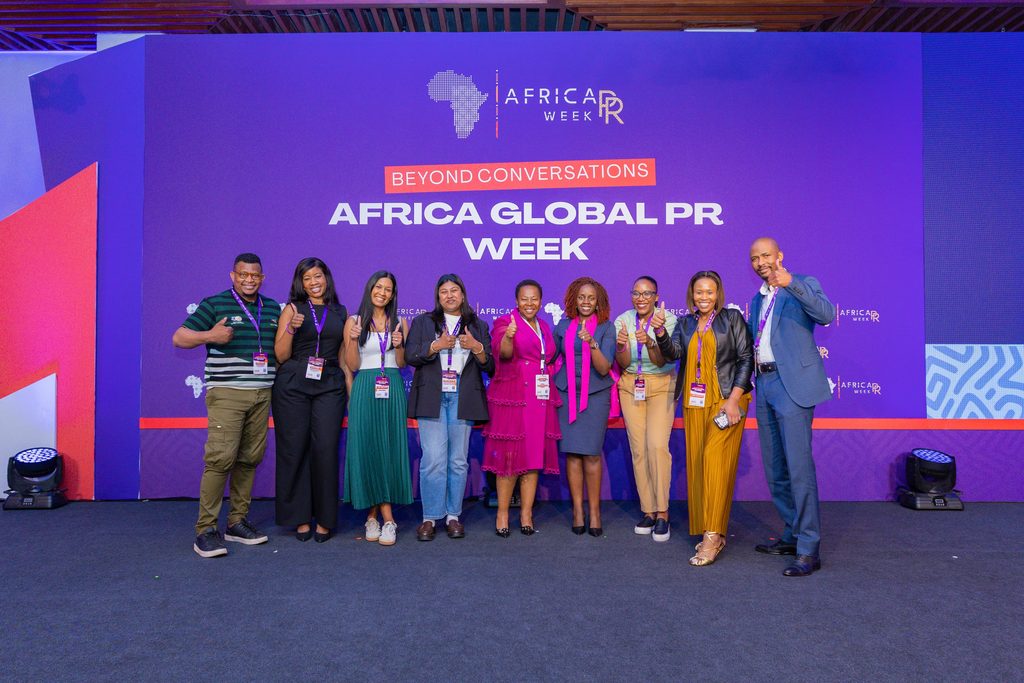
The various discussions at the event reveal an evolution in the role of public relations professionals. It is no longer solely about protecting a reputation or securing media coverage. Professionals are now called upon to understand technological shifts, craft credible narratives, analyze conversations, and shape how organizations and regions are perceived. This evolution is particularly evident in the discourse surrounding Africa Global PR Week: Africa must be able to better articulate its own identity while also developing the capacity to ensure its stories circulate and are understood.
From « telling Africa’s story » to creating the conditions for Africa to tell its own story
By the end of this edition, the theme « Redefining PR, Redefining Africa » has taken on a significance that extends far beyond the realm of public relations. It encompasses the content available on the continent, the data driving technologies, monitoring tools, professional skills, brands capable of crossing borders, and the young generations poised to enter the sector.
The challenge, therefore, is not simply to tell a different story about Africa. It is about creating the conditions that enable more Africans to produce, document, analyze, and disseminate that story themselves. This may well be the true shift highlighted by Africa Global PR Week 2026: moving beyond the mere attempt to change perceptions of Africa toward strengthening its capacity to directly shape those perceptions.