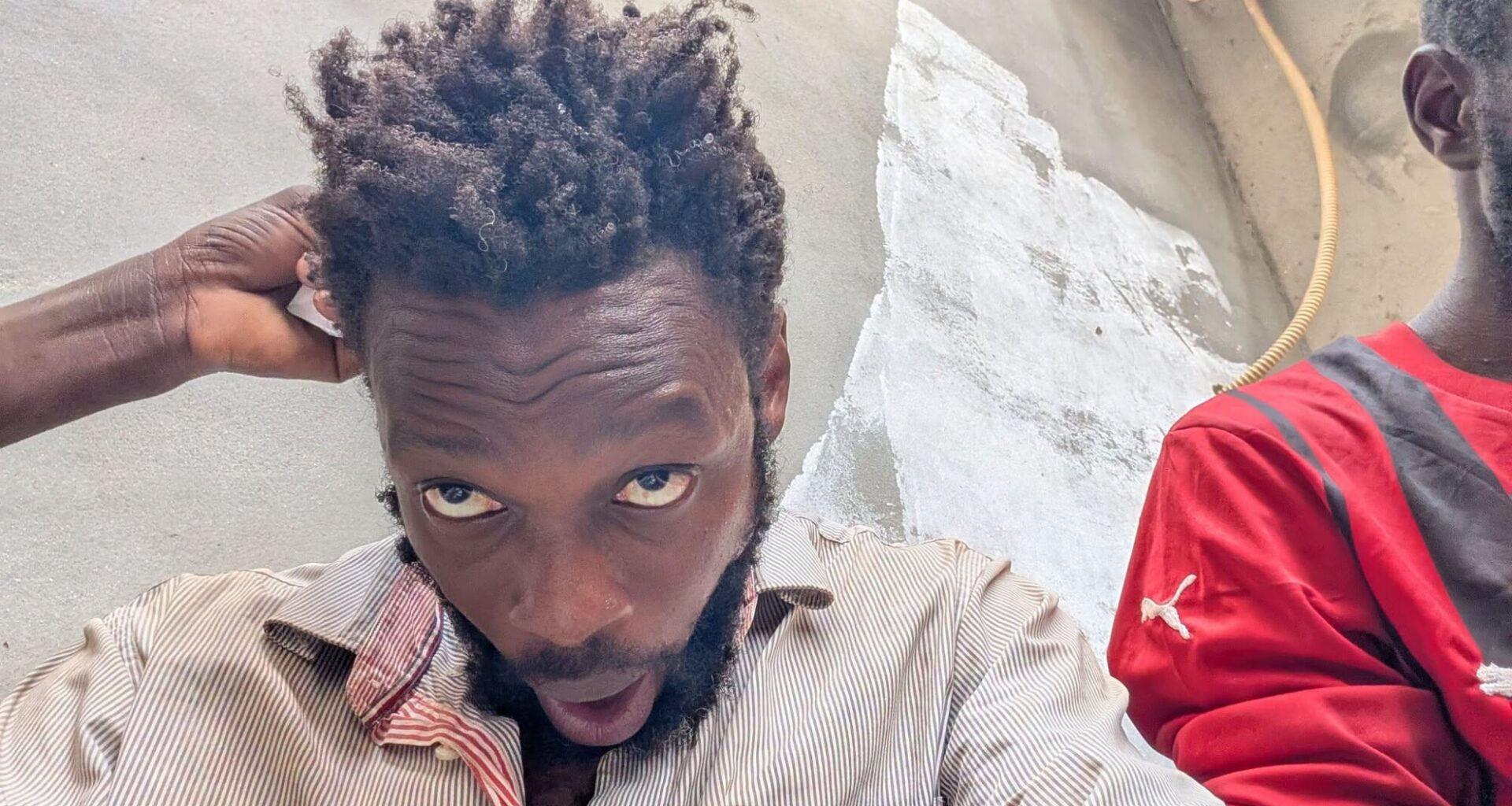
In Nigeria, investigative journalist Fisayo Soyombo has chosen to show a rarely seen side of his work: the physical and material toll of conducting an undercover investigation. After 44 days in the field, the images he has shared stand in stark contrast to the journalist he was before the project began.
Founder of the Foundation for Investigative Journalism (FIJ) and former editor-in-chief of TheCable, Fisayo Soyombo has become known in Nigeria for investigations conducted through direct immersion in realities that are often difficult to document.
In a testimony published on social media, he shared images showing, for the first time, how his appearance has changed during an undercover investigation that the FIJ is expected to publish soon. In one of the first photographs, his colleagues describe him as looking like “a fisherman”. In images taken on his 44th day in the field, he says he could pass for “a mad man on the street”. The journalist’s aim is primarily to offer a glimpse into the human cost of this type of work.
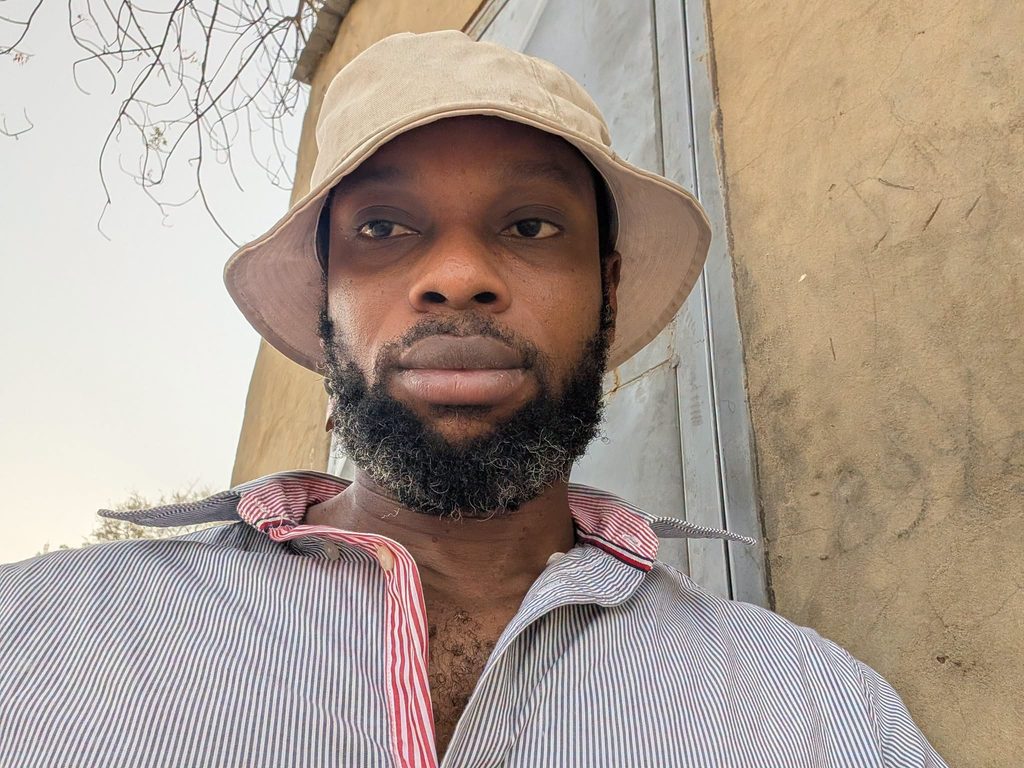
Showing What Happens Behind an Investigation
Soyombo explains that the publication is not simply intended to recount his personal experience. He wants to provide context for how investigative journalism is received: behind a striking report or widely shared revelation are often weeks, and sometimes months, of preparation, immersion and personal sacrifice. His approach highlights a dimension of journalism that is rarely visible: the published investigation is only the tip of a much longer process.
A Different Picture of the Profession
The journalist also has a message for young professionals who may associate investigative journalism with recognition or a degree of media celebrity. His testimony instead presents investigation as demanding fieldwork that can require journalists to change their appearance, routines and surroundings over an extended period.
His career reflects this approach. Among his previous investigations are undercover assignments documenting the workings of Nigeria’s justice system and road-control practices. With this publication, Fisayo Soyombo has not yet revealed the substance of his upcoming investigation. Instead, he is showing what it takes to carry it out.
For media professionals, his account also serves as a reminder that investigative journalism relies not only on the information eventually published, but also on the invisible work behind it: preparation, immersion, verification, endurance and risk-taking.